The challenge
A failed part on a pool that cannot wait
Why it happens
33.9% of Kings Beach private dwellings were unoccupied on Census night and 45.7% of occupied ones were rented — short-stay and part-time use, where a pool out of service is noticed the same day.
Why it matters
A call-out booked for next week is a week of complaints for a building manager.
How we help
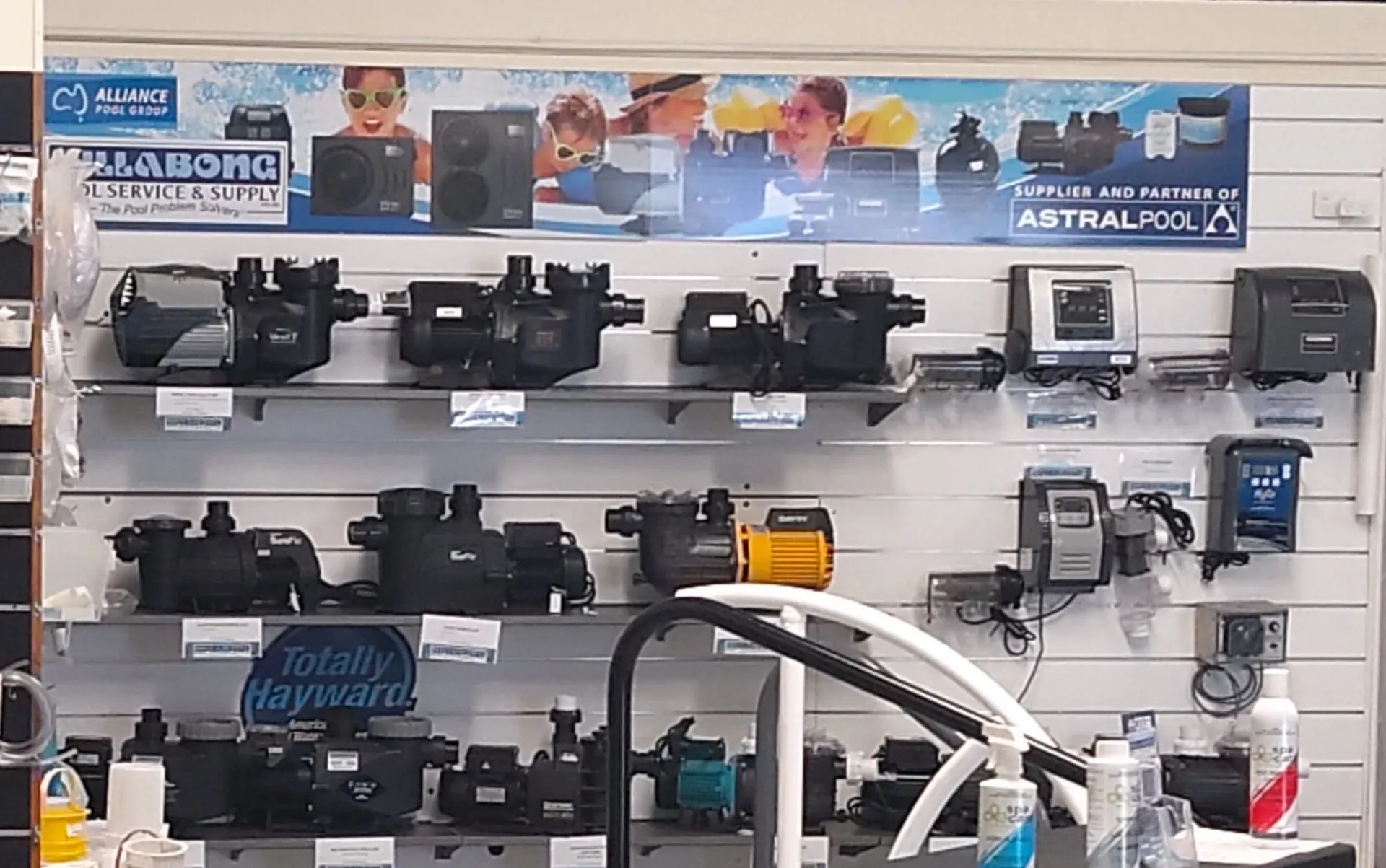
Kings Beach adjoins the town centre where the shop is, so a part can usually be collected and fitted the same day rather than ordered in.